chlorine ppm in drinking water Water chlorine clearcomfort comfort
Chlorine Content in Drinking Water: The Pros, Cons, and Potential Risks
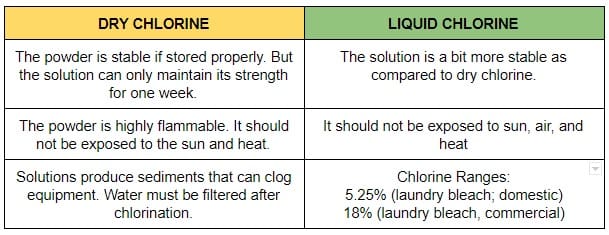 Drinking water is a vital resource that ensures our overall health and well-being. One common method of water disinfection is through the use of chlorine. While chlorine has proven to be effective in killing harmful bacteria and viruses, it is essential to understand both its benefits and potential risks.
The Benefits of Chlorine in Drinking Water
 Chlorine plays a crucial role in ensuring the safety of our drinking water. It effectively eliminates pathogenic microorganisms, such as bacteria and viruses, which can cause severe illnesses, including cholera and typhoid fever. By disinfecting water sources, chlorine helps prevent the spread of waterborne diseases, thereby protecting public health.
Beyond its disinfection properties, chlorine also acts as a residual disinfectant, meaning it remains in the water distribution system to provide continued protection from contamination. This residual chlorine concentration acts as a safeguard against microbial regrowth during transportation and storage, ensuring the water’s safety until it reaches our homes.
The Potential Risks of Chlorine in Drinking Water
While chlorine offers significant benefits, it is essential to consider its potential risks. One concern is the formation of disinfection byproducts (DBPs) when chlorine reacts with organic matter in water sources. DBPs, such as trihalomethanes (THMs) and haloacetic acids (HAAs), are formed when chlorine combines with naturally occurring organic material, such as decaying leaves or soil runoff.
These DBPs have been associated with certain health risks when consumed in high concentrations over an extended period. Studies suggest a potential link between long-term exposure to high levels of THMs and an increased risk of bladder and colorectal cancers. Additionally, exposure to elevated levels of HAAs has been associated with adverse reproductive outcomes, such as low birth weight and developmental issues in infants.
It is important to note that the formation of DBPs can be minimized through advanced water treatment processes, such as granular activated carbon filtration or ozonation, which can effectively reduce the precursor organic compounds before chlorine disinfection.
Ensuring Safe Consumption of Chlorinated Water
To ensure the safe consumption of chlorinated water, it is recommended to monitor and control the chlorine concentration throughout the water distribution system. Water treatment plants carefully regulate the chlorine dosage to achieve an optimal balance between disinfection and minimizing DBP formation. Regular testing is conducted to ensure that the residual chlorine concentration remains within the acceptable range to maintain water safety.
In addition to the efforts taken by water treatment facilities, individuals can take steps to further enhance the quality of their drinking water. Home water filtration systems can reduce chlorine levels and remove DBPs, providing an extra layer of protection. It is crucial to choose a certified water filtration system that meets the appropriate industry standards.
In conclusion, chlorine in drinking water plays a vital role in protecting our health by effectively disinfecting water sources and preventing the spread of waterborne diseases. While there are potential risks associated with the formation of disinfection byproducts, these can be mitigated through advanced water treatment processes. Monitoring and controlling chlorine concentration, both at the treatment plant and in households, ensures the continued safety of our drinking water. By staying informed and taking appropriate measures, we can benefit from the advantages of chlorine while ensuring the optimal safety of our drinking water.
If you are looking for Water Softeners and Treatment in Hibbing, Minnesota - Range Water you’ve came to the right place. We have 5 Images about Water Softeners and Treatment in Hibbing, Minnesota - Range Water like Water Softeners and Treatment in Hibbing, Minnesota - Range Water, Chlorine Content in Drinking Water: The Pros, Cons and Potential Risks and also Chlorine Levels: Clear Comfort Pool vs. Drinking Water [Infographic]. Here it is:
Water Softeners And Treatment In Hibbing, Minnesota - Range Water
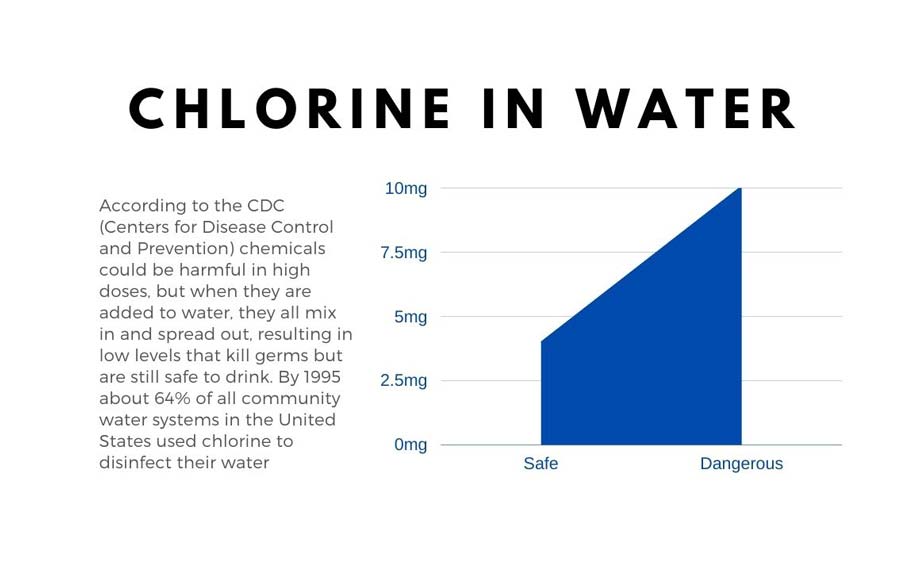 rangewater.comchlorine hibbing softeners
The Safety Of Chlorine In Drinking Water – GroundWaterGovernance.org
www.groundwatergovernance.orgChlorine Content In Drinking Water: The Pros, Cons And Potential Risks
www.aquaoxwaterfilters.comchlorine chlorination cons
Chlorine Levels: Clear Comfort Pool Vs. Drinking Water [Infographic]
![Chlorine Levels: Clear Comfort Pool vs. Drinking Water [Infographic]](https://clearcomfort.com/wp-content/uploads/2016/01/Comparing-Chlorine-Levels-CCW-vs.-Drinking-Water-thegem-blog-timeline-large.png) clearcomfort.comwater chlorine clearcomfort comfort
clearcomfort.comwater chlorine clearcomfort comfort
CHLORINE TEST STRIPS 0 - 20 Ppm - Drinking Water Test | EBay
 www.ebay.iechlorine
The safety of chlorine in drinking water – groundwatergovernance.org. Chlorine content in drinking water: the pros, cons and potential risks. Chlorine test strips 0